
Where Structure Takes Shape
Jean Prouvé at Galerie Patrick Seguin, Paris

Get the foundation right, and everything else follows.
A philosophy that shaped the work of French designer and builder Jean Prouvé.
One of the leading figures of modern design, Prouvé worked alongside visionaries such as Le Corbusier, Pierre Jeanneret, and Charlotte Perriand.
With an engineer’s mindset, Prouvé believed there was little difference between building a piece of furniture and building a house. To him, objects and buildings were designed like machines — efficient, materially honest, and structurally sound.
When the structure was right, beauty naturally followed.
An approach that extends far beyond design.
Prouvé and Corbusier worked within the same modernist movement, though their approaches were quite different.
Corbusier, an architect and theorist, used color, proportion, and space to influence perception. Prouvé, an engineer and maker, focused instead on how things were built — designing the structural systems that made architecture possible.
Put simply: Prouvé shaped the bones of buildings and objects; Corbusier shaped the space around them.
Located in the 11th arrondissement in the Bastille district — about a fifteen-minute walk from one of my favorite boulangeries, Boulangerie Manobaké — Galerie Patrick Seguin houses an impressive collection of Prouvé’s work. It was during a recent visit there that I had the chance to see several original pieces up close.
Among the works on view was Prouvé’s iconic Standard Chair, a piece that perfectly embodies his design ethos — efficient, materially honest, and structurally sound. Stepping into the gallery, I was drawn not only to Prouvé’s keen eye for structure, but also to his deep appreciation for precision and clarity of construction.
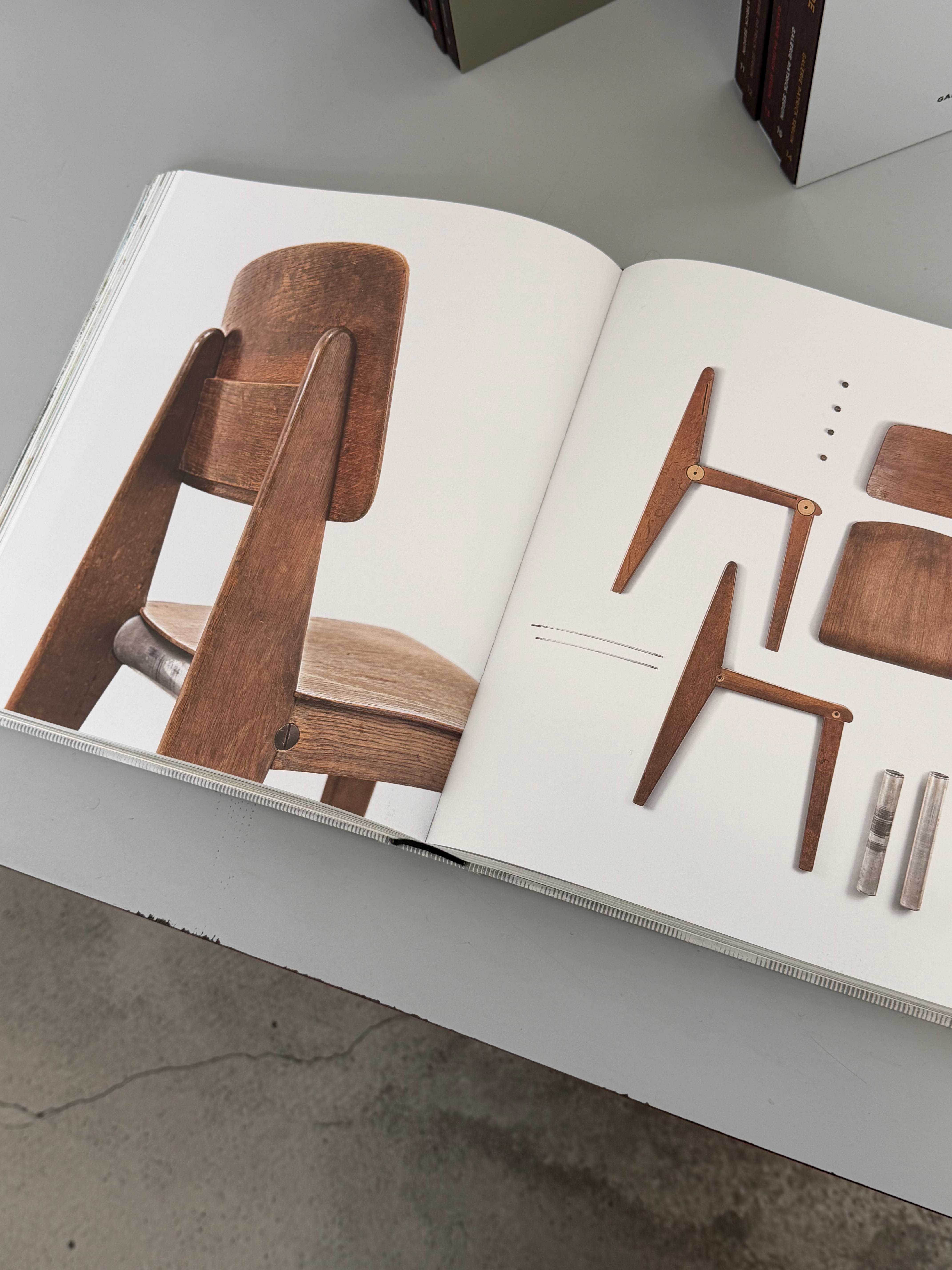
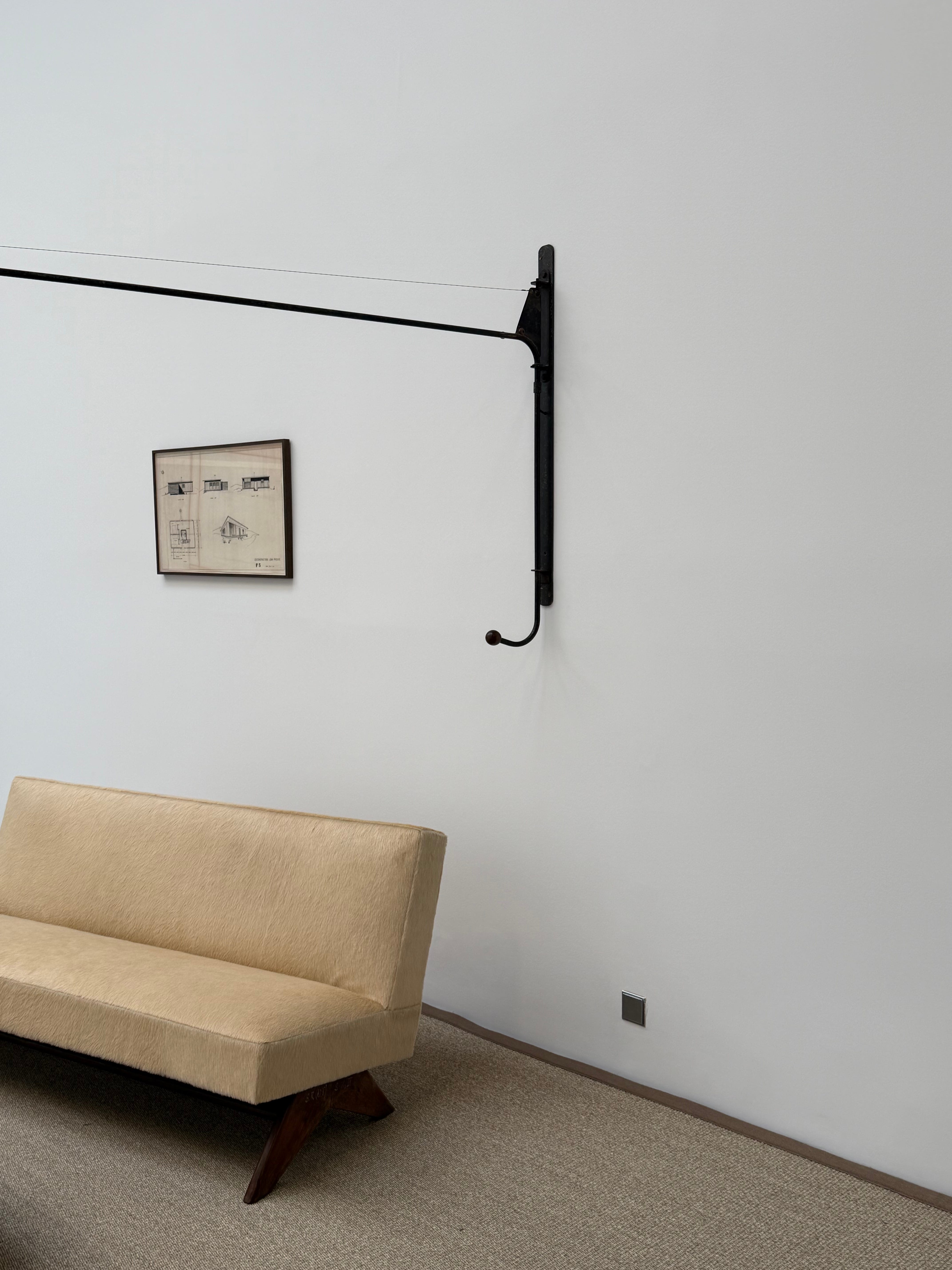


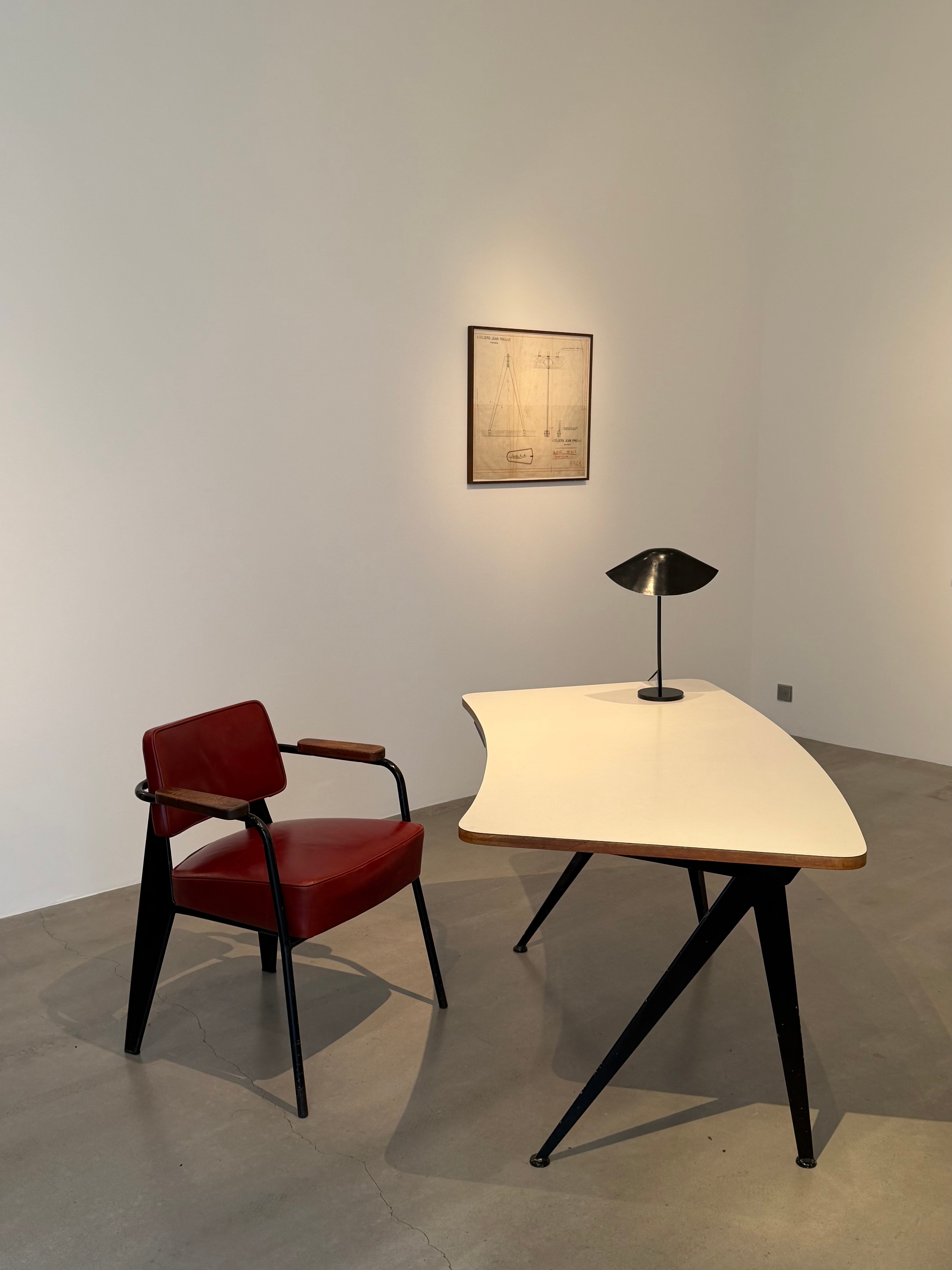


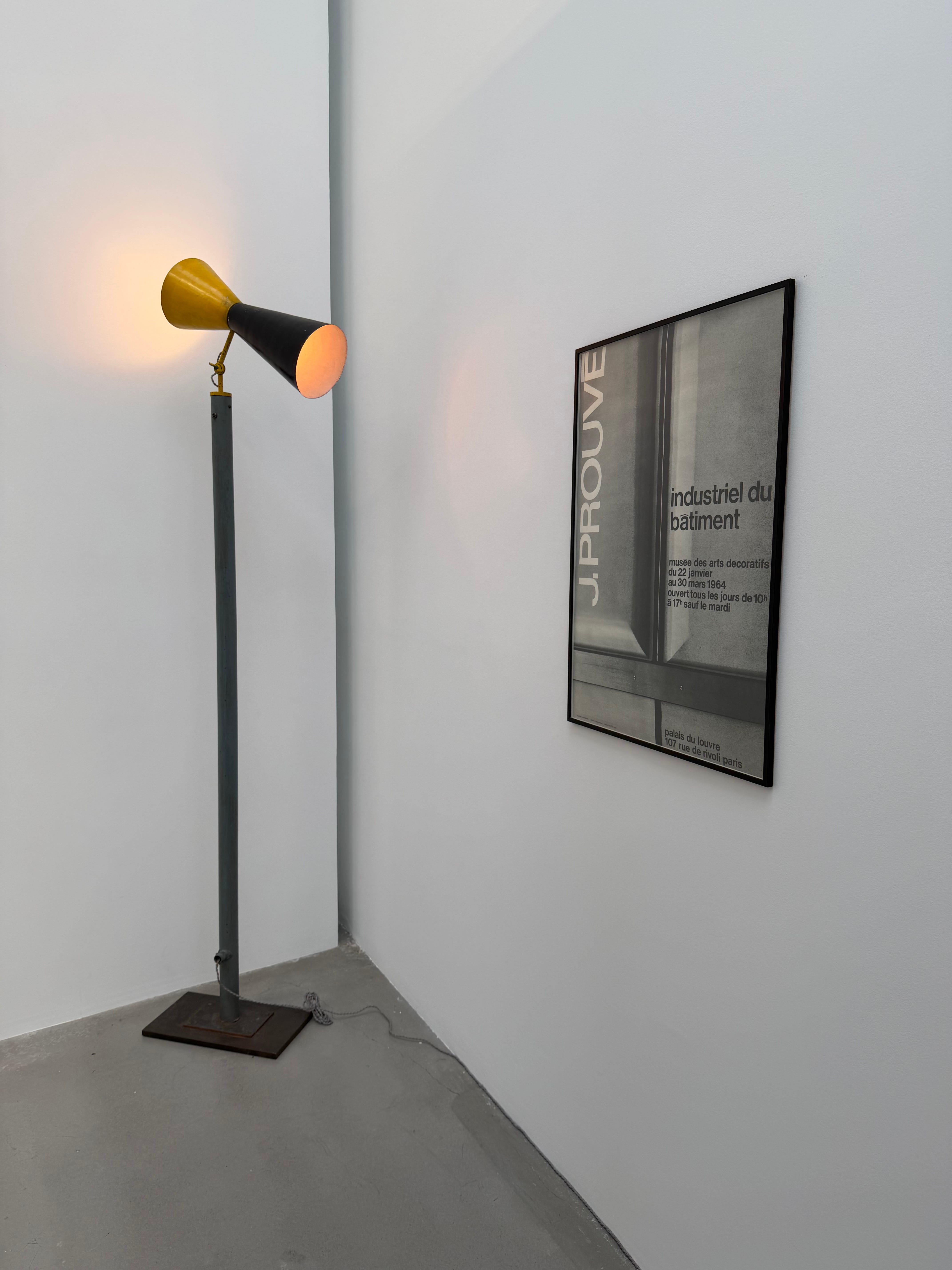
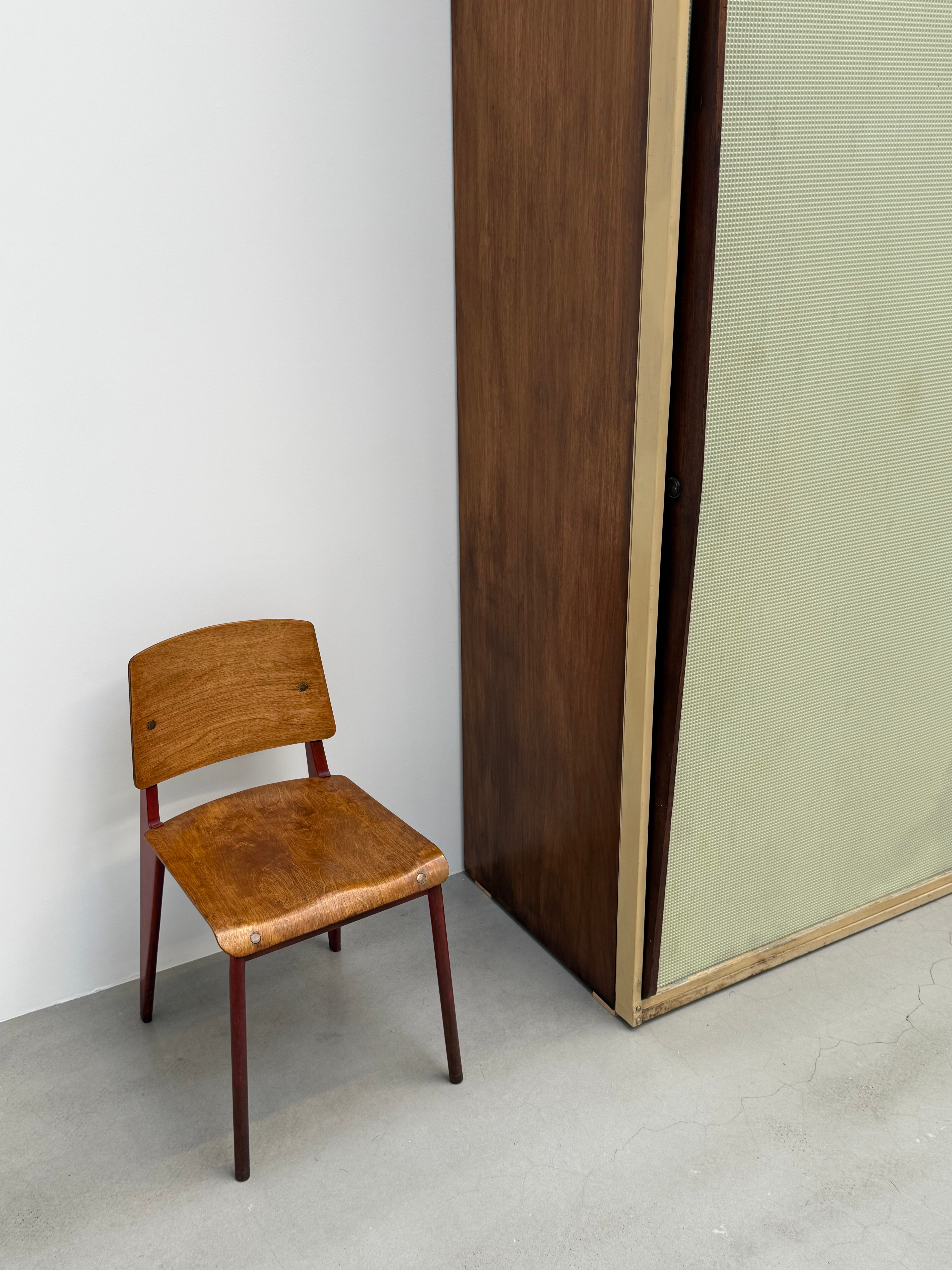
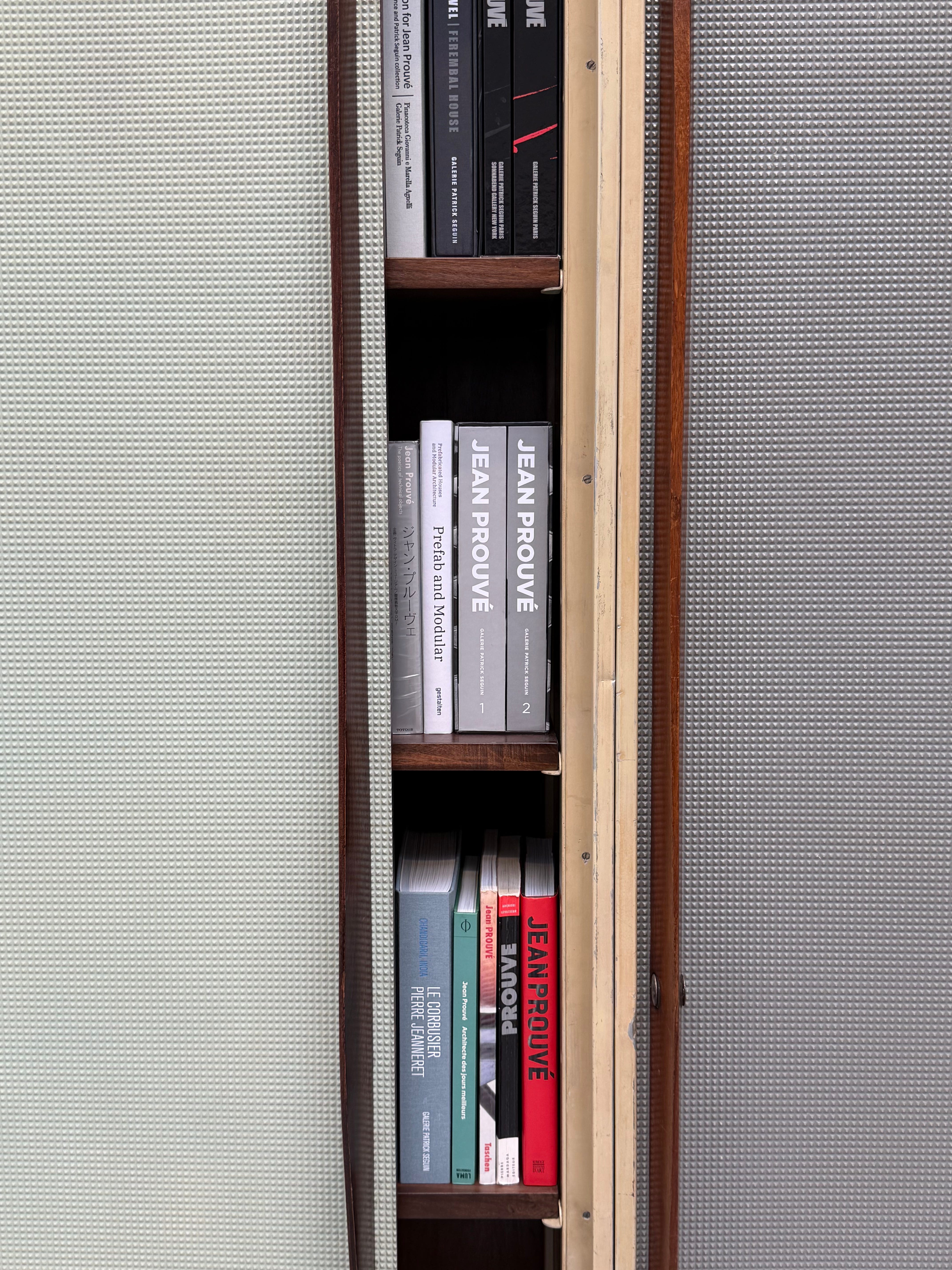
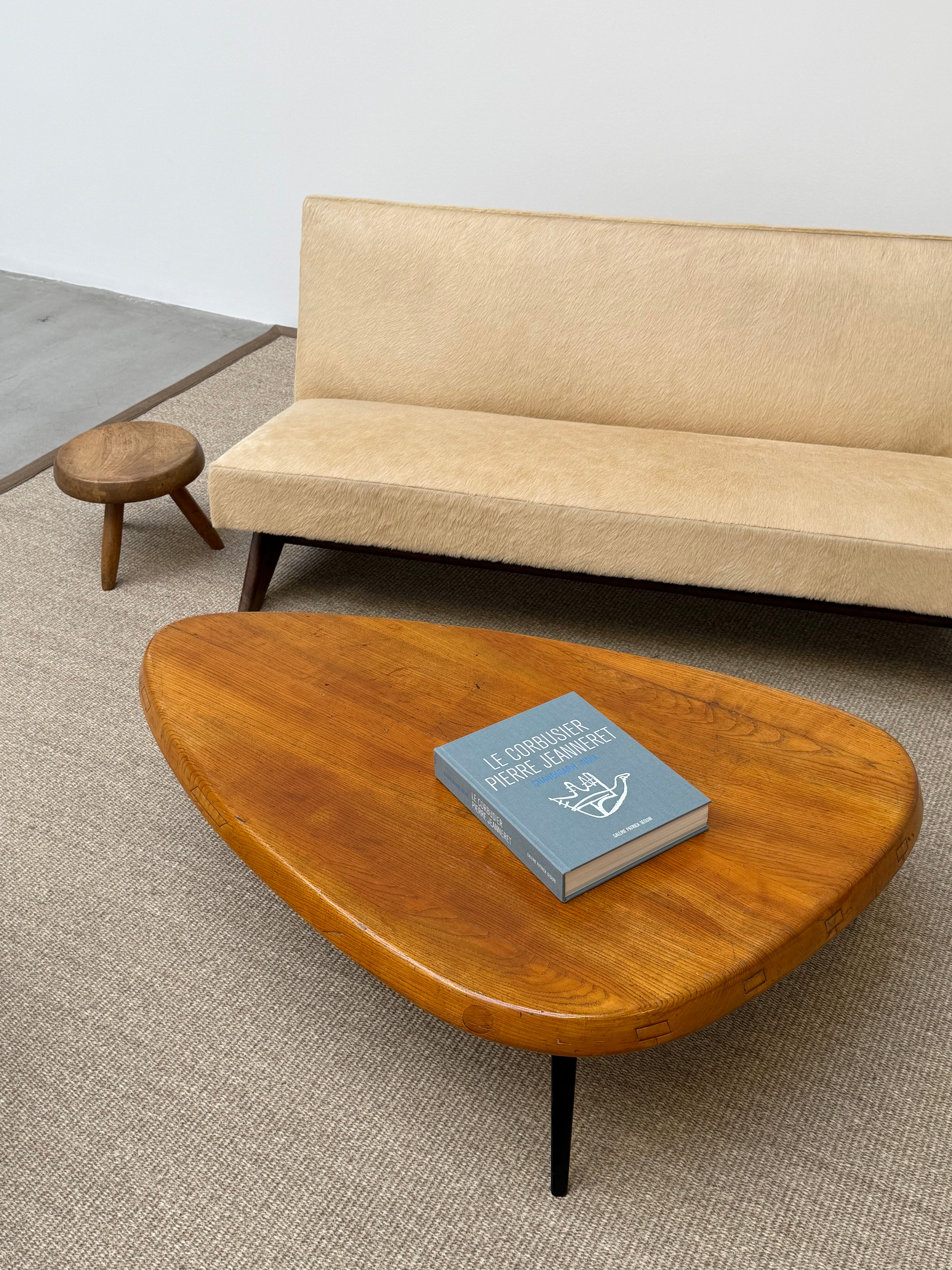
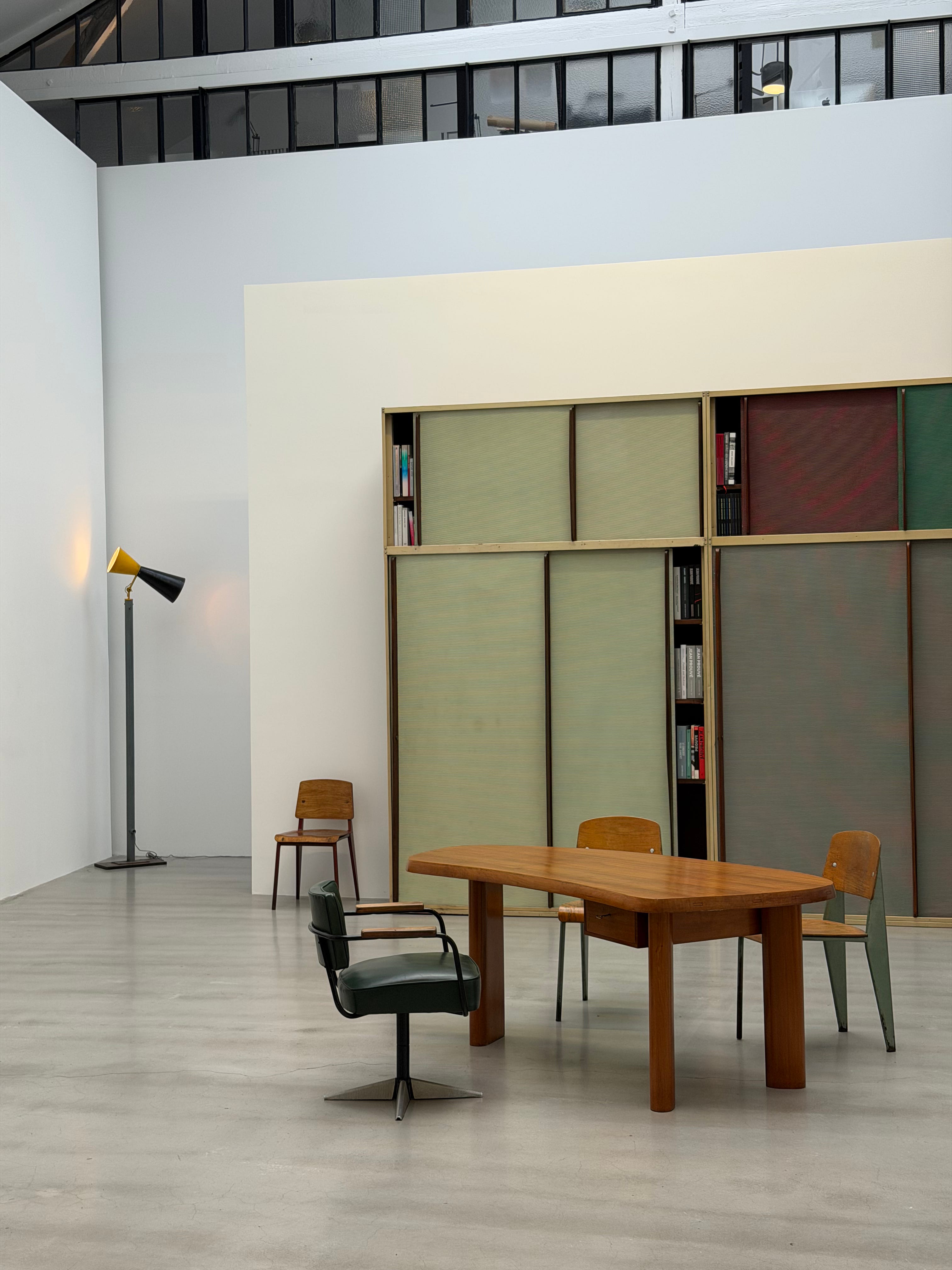
Through these works, Prouvé’s philosophy is evident — structure first, everything else follows.
For a closer look at the ideas behind this movement, I’ve also written about Le Corbusier here and here.
x,
Caroline